
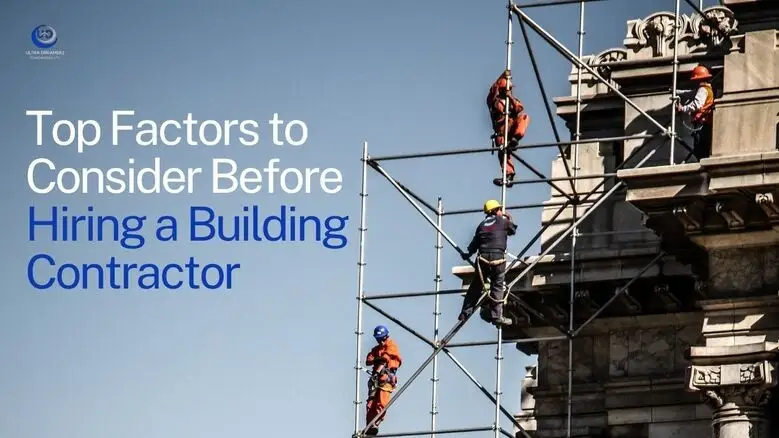
Planning a home renovation, extension, repair, or new-build project? Choosing a building contractor is one of the first decisions that can shape the entire construction experience. A reliable contractor can keep the work organised, manage different trades and help prevent avoidable delays and costs. The wrong choice, however, can leave property owners dealing with poor workmanship, budget problems and unfinished work. For homeowners comparing construction companies in London UK, looking beyond the quoted price is important. Experience, workmanship, insurance, communication, materials and project management can reveal whether a contractor is genuinely suited to the job. This guide explains the key factors to check before signing an agreement, so property owners can choose with greater confidence. Type your paragraph here
7 Key Factors to Check Before Hiring a Building Contractor
The following factors explain what to look for when evaluating a building contractor and making a confident hiring decision.
1. Check the Contractor’s Relevant Experience
Start by looking at the contractor’s experience with projects similar to the planned work. A contractor experienced in small home renovations may not have the skills or resources needed for a large extension or structural project. Ask about previous residential or commercial projects, the type of construction work completed and how long the company has been operating. Relevant experience can help identify whether the contractor understands the materials, construction methods and potential challenges involved.
2– Review the Portfolio and Previous Work
A portfolio provides an opportunity to assess the contractor's actual workmanship rather than relying only on claims made on a website. Ask to see photographs or examples of recently completed projects that are comparable to the proposed work. Where possible, look for details such as finishing quality, material selection, attention to detail and how well the completed project matches the original requirements. For larger projects, visiting a completed site may also provide useful insight into the contractor's standards.
3- Quality of Materials
Ask the contractor about the quality, grade and source of the materials they plan to use. This includes bricks, concrete, steel, insulation, roofing, windows, plumbing and electrical components. Instead of relying on terms such as “premium” or “high quality,” ask for specific brands, grades or specifications where relevant.
Make sure the agreed materials are clearly listed in the quotation or contract. If alternatives are needed, the contractor should discuss and agree on them before using them. Choosing suitable, durable materials can improve the property's long-term performance and reduce future repair and replacement costs.
4 - Assess the Workforce and Project Management
The contractor's workforce can have a direct effect on the progress of the project. Ask whether the work will be completed by directly employed workers, subcontractors or a combination of both. Find out who will manage the site and coordinate specialist trades such as electricians, plumbers, roofers and other professionals. It is also useful to understand how the contractor handles material procurement, scheduling and unexpected construction problems. Good project management can help keep different stages of the work organised.
5 - Evaluate Communication Before Hiring
Communication is an important part of any construction project. The contractor should listen to the property owner's requirements, answer questions clearly and provide reasonable progress updates. A meeting before appointment can help assess how professionally the contractor approaches the project. Discuss the expected standard of workmanship, materials, budget, timeline and responsibilities. If communication is unclear before the contract is signed, it may become more difficult once construction begins.
6- Past Project Timelines
Before hiring a contractor, check whether their previous projects were completed within the promised timelines. Occasional delays can happen due to weather, material shortages or unexpected site issues, but repeated delays may indicate poor planning or project management. Ask the contractor about the typical completion time for similar projects and whether previous clients experienced significant delays. A contractor with a good record of meeting deadlines is more likely to keep the project on track and help you avoid additional costs, especially if you are paying both a home loan and rent during construction.
7- Discuss the Timeline and Potential Delays
Before signing an agreement, discuss realistic start and completion dates. The contractor should explain how the project will be scheduled and what factors could affect the timeline. Possible delays may involve: Material availability Weather conditions Building inspections Specialist subcontractor availability Unexpected structural issues Changes to the original scope The contractor should explain how these situations will be communicated and managed. Avoid accepting unrealistic completion promises simply because they sound attractive.
Final Thoughts
A building project is easier to manage when expectations are clear from the beginning. Rather than choosing a contractor based on promises or an attractive quotation, property owners should look for clear evidence that the contractor can deliver the proposed work and handle the responsibilities that come with it. For homeowners comparing construction companies in London UK, the final decision should come down to how confidently a contractor can demonstrate reliability, accountability and a clear understanding of the project. Taking the time to make these checks before work begins can help set realistic expectations and create a stronger foundation for a successful construction project.